 Kaboutjie SA Mommy Blogs by Lynne Huysamen

I thought I knew what farm life was like. My parents have lived on their Swellendam farm for 18 years, and my kids and I spent every school holiday here. We knew the land, the rhythm of the days, the peace and quiet. We weren’t strangers to this place.
More than that – this farm has always been our safe haven. When the pandemic hit in 2020, I saw the writing on the wall. Before lockdown was even announced, I packed our bags and my kids and I spent three months here during the worst of that first wave. When life gets hard, this is where we come.
So when we decided to move here permanently six months ago – me, my 14-year-old daughter, and my 12-year-old son – it felt like coming home. But here’s what I’ve learned since: visiting a farm and actually living on one are two completely different things.
When you’re on holiday (or even riding out a pandemic), someone else handles the rubbish. Someone else plans the meals. Someone else worries about the daily tasks that keep a farm household running. You get all the beauty without any of the logistics.
Now that we’re running our own household here, the reality of full-time farm life has been eye-opening. Wonderful, but eye-opening.
If you’re thinking about making a similar move, here’s what the transition has actually been like.
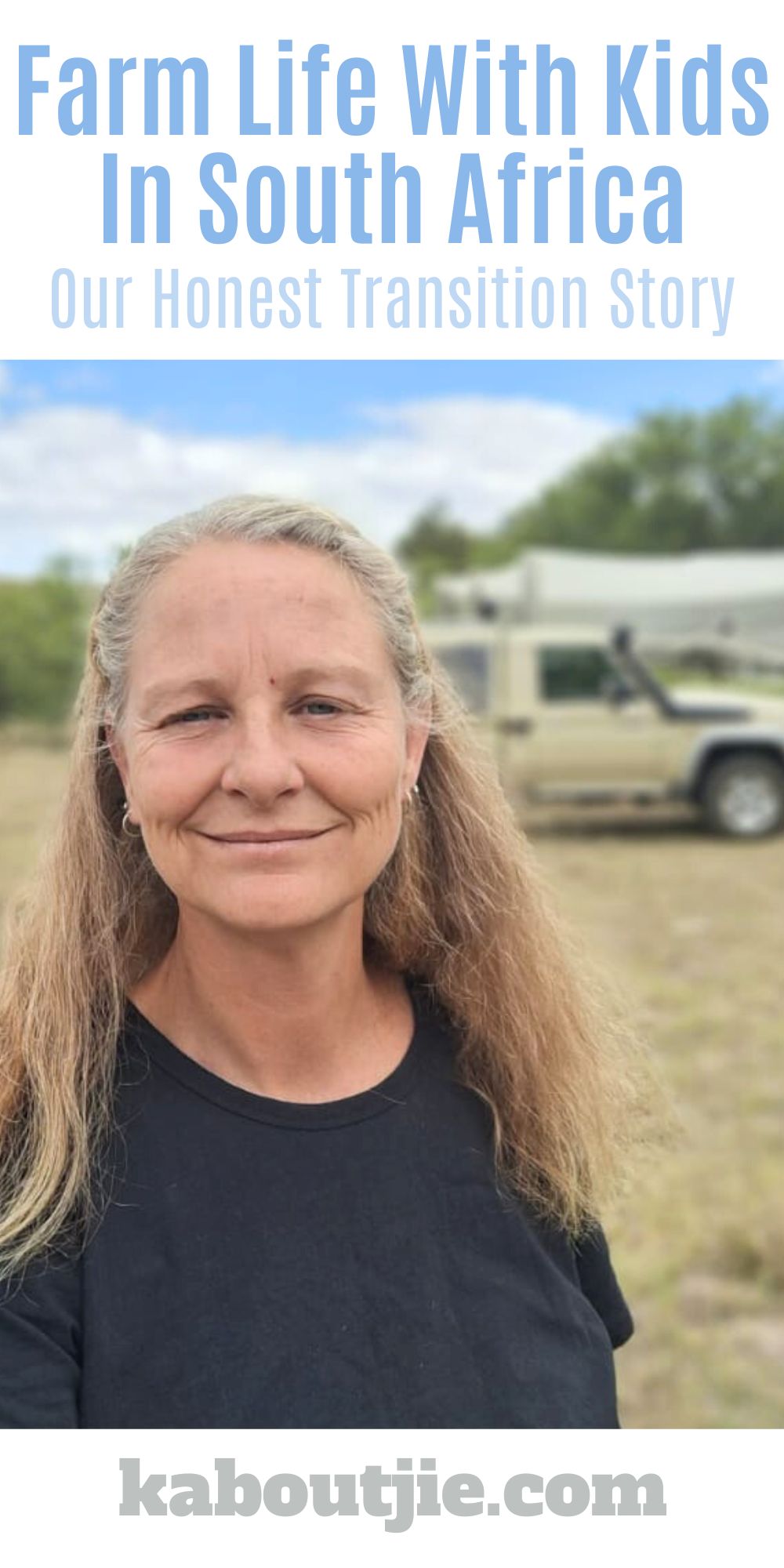
The Practical Stuff You Don’t Think About on Holiday
When you visit a farm, you don’t notice that there’s no municipal rubbish removal. Why would you? It’s not your problem.
Now it’s very much my problem. We compost, bury, burn, donate, or recycle everything. It seemed overwhelming at first, but as long as you stay on top of it, it’s manageable. And here’s the surprising thing – it’s been eye-opening to see just how little waste you can generate when you really put the effort in. We’ve become so much more mindful about what we bring into the house in the first place.
Then there’s shopping. On holiday, if you forgot something, you’d just add it to the next town trip or do without for a few days. No big deal. But when you’re running a household? There’s no ‘nipping out’ for a bottle of milk. Travelling to town requires proper planning.
At first, this felt like an ordeal. Now? It’s actually made me a much better planner. Our meals are thought out, our shopping lists are thorough, and we waste far less food than we ever did before.
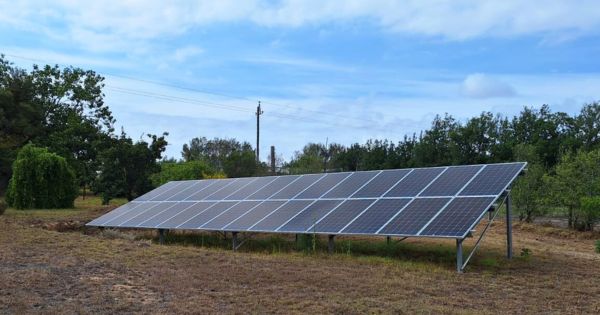
The Perks They Don’t Tell You About: Off-Grid Living
Now for the part that makes every South African reading this a little bit jealous: we are completely off the grid.
Solar power. Gas geysers. Gas stoves. No more loadshedding for us.
I cannot tell you what it feels like to watch the loadshedding schedule pop up on my phone and know that it simply doesn’t apply to me anymore. No more rushing to charge devices. No more cold showers because the power cut out. No more dinner plans ruined. It’s a freedom I didn’t fully appreciate until we moved here permanently.
And then there’s the water. We have our own fresh water supply, which means no worrying about water restrictions. After years of watching dam levels anxiously and timing showers, having abundant fresh water feels almost luxurious.
These aren’t things you think about on holiday. But when you’re living somewhere full-time? They change everything.
View this post on Instagram
One of the most magical parts of living here is the wildlife we get to witness every single day. And I’m not just talking about the occasional bird sighting – I mean truly special encounters that remind me how privileged we are to be here.
We have a pair of Blue Cranes living on the farm, and recently they had two babies. Watching those little ones grow has been incredible. Our national bird is close to becoming endangered, with numbers declining year after year. So to have a breeding pair right here, raising their young on our land? It feels like such an honour. We’re very protective of them.
Then there are the occasional sightings of chameleons. When was the last time you saw a chameleon in the wild? Most people hardly ever do anymore. There’s something almost prehistoric about watching one slowly make its way along a branch, eyes swivelling independently. My kids are fascinated by them.
And then… the snakes. Oh, the snakes. My son is absolutely thrilled about this. I actually love snakes too – but not near my kids. We have plenty of snakes here, especially Boomslang and Cobras, and we’ve had more close encounters than I can count. It can get quite nerve-wracking, I won’t lie. You learn very quickly to watch where you step, to check before you reach into bushes, and to respect that we’re living in their territory. It’s humbling, actually. We’re not in a suburb anymore – we’re sharing this land with creatures that were here long before us.
Things Actually Grow Here
Here’s something that still amazes me: I can grow things.
When we lived on the West Coast, I couldn’t grow anything other than succulents. The wind, the sandy soil, the salty air, the dry conditions – everything I tried just gave up and died. I honestly believed I had a black thumb.
But here? I swear I could throw a seed out the window and there’d be something growing the next day. The soil is rich, the water is plentiful, and things just want to grow. Right now we’ve got strawberries, peaches, grapes, apples, apricots, watermelon, tomatoes, peppers, lavender, and more herbs than I know what to do with – sweet basil, thyme, rosemary, origanum, marjoram, coriander, parsley.
It turns out I didn’t have a black thumb. I just lived in the wrong place.
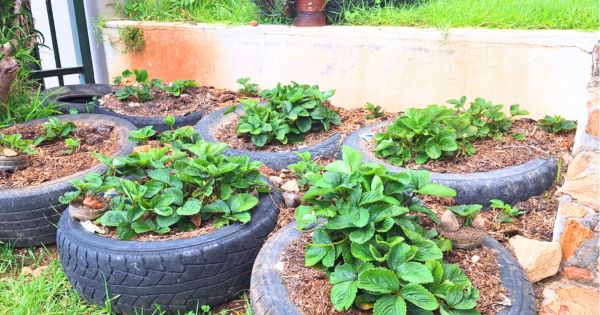
Upcycling Heaven: Giving Old Things New Life
One of the unexpected joys of farm life has been discovering the absolute treasure trove of upcycling opportunities everywhere I look. Honestly, this place is an upcycler’s paradise.
There are old tyres that are just begging to be transformed into planters or garden borders. We’ve got poles that can become anything from rustic shelving to supports for climbing plants. Old gates? They make the most gorgeous garden trellises – imagine your tomatoes or beans climbing up a vintage farm gate. There’s something so satisfying about that.
I’ve always loved the idea of giving old things new purpose, but in town there was never much to work with. Here, I’m constantly spotting potential projects. A weathered wooden pallet becomes a vertical herb garden. An old wheelbarrow that’s seen better days is now a charming flower display. Rusty farm equipment that would otherwise just sit there becomes garden art.
What I love most is that upcycling on the farm ties in perfectly with our zero-waste approach. Instead of things ending up in landfill (or a burn pile), they get a second life. It’s creative, it’s sustainable, and honestly? It makes our little corner of the farm feel uniquely ours.
If you’re considering farm life, keep your eyes open for upcycling opportunities. I guarantee you’ll find them everywhere.
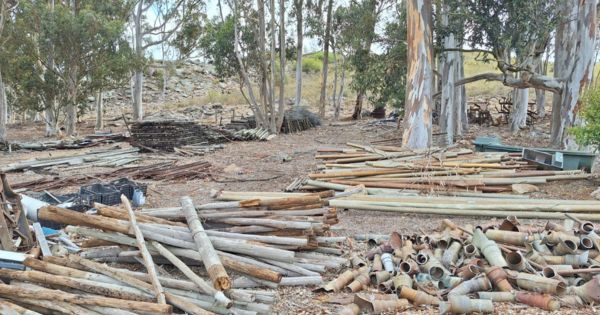
Learning to Work With the Weather
On holiday, you can hide inside when it’s hot and venture out when you feel like it. Living here? There’s always outdoor work to be done, and it gets seriously hot.
We’ve had to completely adjust our daily rhythm. Early mornings are for getting things done outside – while it’s still cool. Then we retreat indoors during the hottest part of the afternoon. When the sun starts to dip and the air cools down, we head back out again.
It’s a different way of living, but there’s something lovely about working with nature’s schedule rather than fighting against it. My body clock has adjusted, and honestly, those early mornings have become my favourite part of the day.
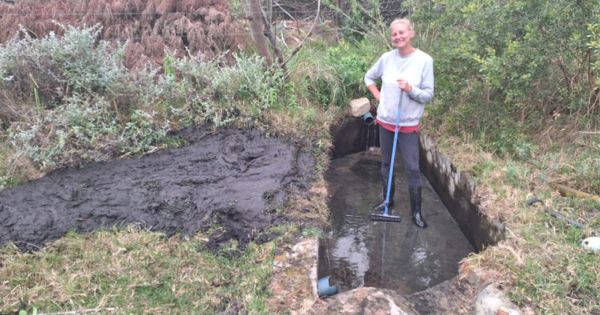
More Work for Everyone (Including the Kids)
This was probably my biggest adjustment. On holiday, my parents’ setup just… worked. We’d help out here and there, but we were guests. Now we’re running our own household on the farm, and that means a lot more falls on us.
Back in our West Coast town, I had a cleaning lady come once a week. Out here? That’s not an option. We’re too far out, and there are no workers living on our farm. So the housework falls to us – and yes, that includes my kids.
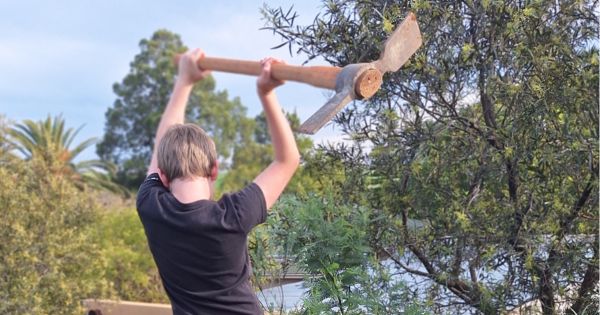
My two help with household chores, making fires and burning rubbish, composting, gardening, chopping wood, and more. At first there was some resistance (what tween wants extra chores?), but something shifted. They started taking ownership. My son even started his own project – clearing a walking path up the hill for hiking. He did that entirely on his own initiative.
And speaking of my son – every single night, he’s out with his torch hunting for Raucous Toads. During the day, he’s searching for snakes. He’s absolutely in his element.
My daughter has found her own rhythm too. She’s taken over cooking and makes supper for us most nights – she genuinely loves it. And then there’s the singing. I gave her a karaoke set for Christmas, and she loves being able to crank it up full blast knowing there are literally no neighbours to disturb. Try doing that in town!
They spent holidays here for years, but actually living here has connected them to this place in a completely different way. They’re busy, they’re active, and screen time has naturally decreased without me having to nag about it. That, for me, has been one of the biggest wins.
The Farming Community is Real
This is something I already knew from my parents’ experience, but now I get to be part of it myself.
There’s a story my parents tell that perfectly captures what farming neighbours are like. Years ago, they were having an afternoon nap, completely unaware that a fire was raging on their farm. The neighbouring farmers spotted it, came over, put it out, and then let my parents know. They didn’t wait to be asked. They just showed up.
That’s the farming community.
There’s always a neighbour popping by with spanspek, watermelon, butternut, or whatever else is in season. People look out for each other here. On holiday, I appreciated this from a distance. Now, as part of the community myself, it means even more.
The Sandwich Generation Struggle
Here’s where things get complicated. I need to be honest: my work-from-home routine is still a work in progress.
Living on my parents’ farm means I’m now firmly in the sandwich generation – caring for my kids while also helping my elderly parents. Add in running my own blog, assisting with the farm, and trying to keep everyone fed and the house standing… it’s a lot.
The hardest part is constantly switching gears between different roles. One minute I’m a mom helping with schoolwork, the next I’m dealing with a farm issue, then I’m trying to squeeze in work, then there’s a parent who needs something. Every time I feel like I’m getting my feet under me, something changes. School starts. Holidays begin. We need to travel for a family member’s cancer treatment.
My work has taken the hardest knock. It always seems to come last. I’m hoping that 2026 will be the year things become easier to manage – but I’ve also accepted that this season of life is just genuinely demanding.
On holiday – even those three months during lockdown – none of this existed in the same way. I was just a daughter visiting with her kids. Now I’m a daughter, a carer, a mom, a blogger, and a farm hand – often all in the same hour.
View this post on Instagram
What It’s Done for My Mental Health
I want to share something personal here, because I think it matters.
This farm has always been my safe place. There’s a reason I packed up and came here the moment I sensed the pandemic lockdown was coming. There’s a reason we’ve always run here when life gets overwhelming. Something about this land, this space, this quiet – it heals me.
My mental health has improved immensely since moving here permanently. It’s not just one thing – it’s been a combination of starting my kids with online school (which removed so much daily stress), living in this peaceful environment full-time, and finally getting my divorce finalised. All of those pieces coming together has given me space to breathe.
The quiet. The peace. The nature and beauty. I always felt it on holiday, but living in it every day is different. It’s healing in a way I didn’t expect.
But I’m not going to pretend it’s all sorted. The sandwich generation overwhelm can still get intense. There are days when the mental load feels crushing. It’s not a fairytale ‘moved to the farm and everything is perfect’ story. It’s more like: the baseline is better, even when hard days still happen.
View this post on Instagram
The Kids Love It – But They Miss Friends
Both my kids love the move. They really do. This place has been part of their childhood for as long as they can remember – every holiday, every school break, that long lockdown stretch. In some ways, it already felt like home.
But if you ask them what they wish was different, they’ll both say the same thing: they’d love to make more friends in the area.
This has been the trickiest part. We’re far out, and with online school, there aren’t natural opportunities to meet other kids. It hasn’t been easy. Yes, we love Koa Academy, and there are regular in-person social events but those are two a term and we have to travel to get to them. It is just so much harder and we have to really make an effort not only to see people, but to meet new people.
But we’ve made enquiries in Swellendam about activities, and this year – 2026 – we’re making it happen. Tennis. Drama club. Hiking groups. We took a while to find our feet and settle in, but now we’re ready to get more involved in the community.
It took six months to feel stable enough to add more to our plates. And that’s okay. Sometimes you need to just survive the transition before you can thrive in it.
Would I Do It Again?
Without hesitation, yes.
But I’d tell anyone considering it: don’t assume that knowing a place means you know what it’s like to live there. Eighteen years of holidays – and even three months of lockdown – didn’t fully prepare me for the reality of running my own household on a farm. It’s more work, more planning, more adjusting than I expected.
It’s also more peace, more connection, more presence. No loadshedding, no water restrictions, no neighbours to disturb. A garden that actually grows things. My kids are healthier, busier, and more capable than they were six months ago. My daughter is becoming a confident cook. My son knows more about local wildlife than I ever will. I’m calmer (most days). And we’ve built something here that feels like it matters.
This farm was always our safe haven. Now it’s our home.
If you’re thinking about making the move to country living with your family – whether it’s somewhere familiar or somewhere brand new – my advice is this: be prepared for it to be harder than you expect in some ways, and more beautiful than you imagined in others. Give yourself grace during the transition. And know that it takes time to find your feet.
We’re six months in, and we’re just getting started.
Have you ever made the leap from visiting a place to actually living there? Or do you have a ‘safe haven’ place that you dream of moving to one day? I’d love to hear your story in the comments below!


Farm Life as you describe it and off off the grid is pretty amazing I would absolutely love that and fresh water supply but like you mention it is not as easy as one thinks it to be a lot of hard work goes into it. Now snakes on the other hand is one thing I am not sure about lol. Wow you have so many options of fruit etc. growing that is beautiful and self sustaining. You and your children are doing great love that everyone is giving a hand. I have always dreamed of just living on an excluded island I think the idea is about getting away from all the buzz in the city life.